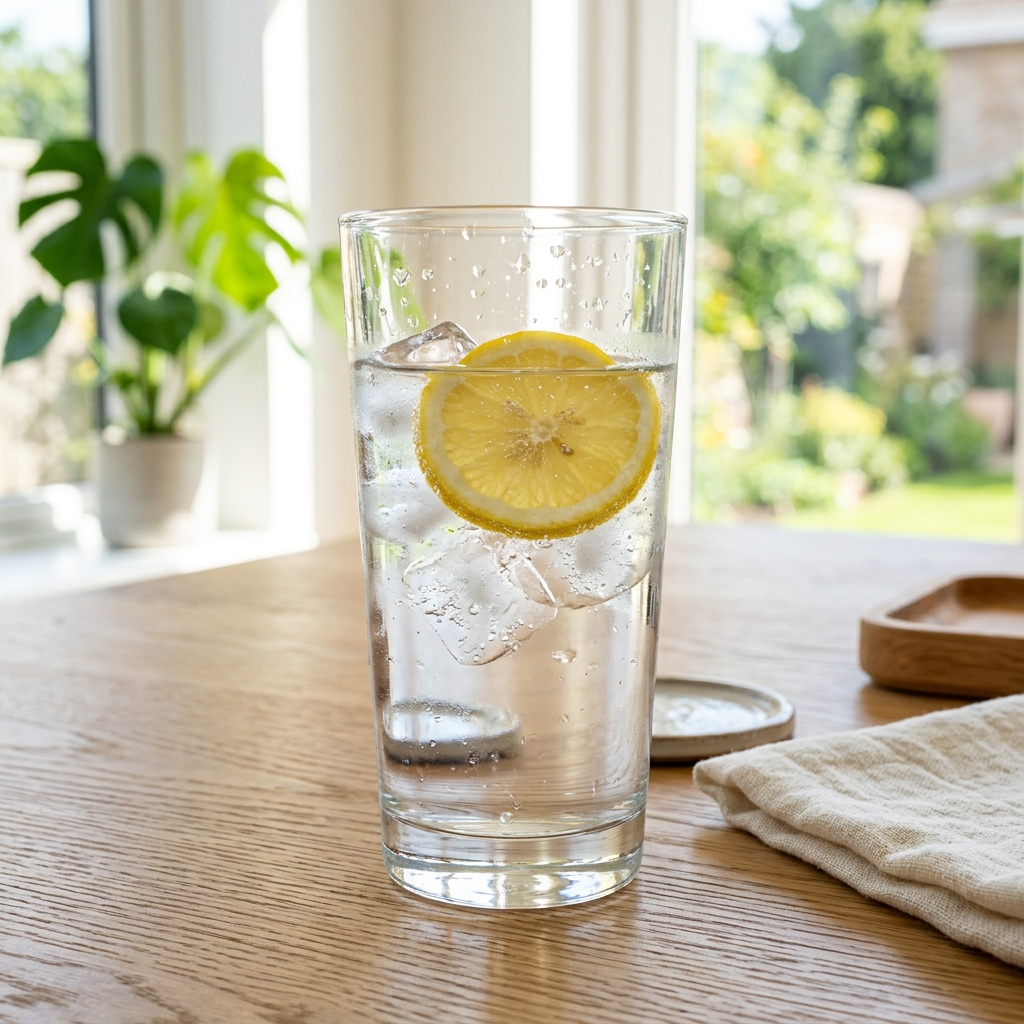
The advice to "drink 2 liters of water a day" is one of the most persistent myths in the world of healthy living. While hydration is indeed critical, the approach to it should be more individualized than following a rigid universal rule.
Why Do We Need Water?
Water makes up about 60% of an adult's body weight. It is essential for almost every bodily function. It acts as a solvent for nutrients and minerals, regulates body temperature through sweating, lubricates joints, and helps flush out waste products through urine, sweat, and bowel movements.
The Myth of the 2 Liters
The famous "8 glasses a day" rule lacks strong scientific backing. In reality, your water needs depend on a multitude of factors: your body weight, activity level, local climate, and overall health. Furthermore, about 20% of your daily fluid intake typically comes from food, especially fruits and vegetables.
How to Determine Your Needs
Instead of counting liters, listen to your body. The most reliable indicators of hydration status are thirst and urine color. If you are thirsty, you are already slightly dehydrated. Urine should be a pale yellow color; dark yellow or amber urine is a clear sign that you need to drink more water.
Hydration for Athletes
If you exercise intensely, your water needs increase significantly due to sweating. It's important to drink water before, during, and after your workout. For prolonged exercise (over an hour), especially in the heat, an electrolyte beverage may be beneficial to replace lost sodium and potassium.
Other Sources of Hydration
Remember that all beverages count towards your daily fluid intake. This includes tea, coffee, and milk. Even caffeinated beverages, contrary to popular belief, contribute to hydration, although their diuretic effect may slightly reduce the net fluid gained.
Conclusion
Stay hydrated by drinking water when you're thirsty and paying attention to your body's signals. Make water your beverage of choice, but don't obsess over hitting an arbitrary daily quota.